
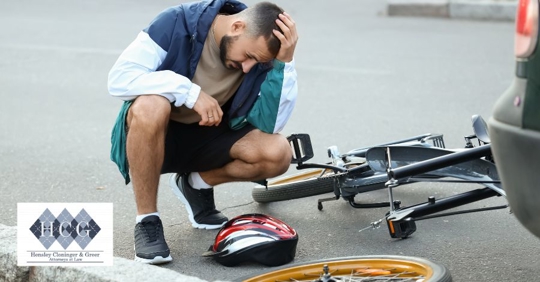
As a cyclist, sharing North Carolina roads requires resilience. You know the rules, you respect traffic, and you stay vigilant. Yet, despite your best precautions, collisions with negligent drivers still happen in an instant. In the chaotic, high-adrenaline aftermath of a bicycle crash, you might be tempted to brush off the driver, shake hands, and ride home, especially if your bike seems fine and you feel only minor scrapes.
However, calling the police and securing an official report is one of the most critical steps you can take after a bike crash. Here is why a police report is far more than a routine formality, and why it could protect your entire recovery.
North Carolina Law Requires Accident Reporting
Under North Carolina law (N.C.G.S. § 20-166.1), bicycles are legally classified as vehicles. A driver involved in a reportable crash must immediately report it to law enforcement. In North Carolina, a crash is "reportable" if it results in any of the following:
- Personal injury or death
- Total property damage reaching $1,000 or more
Because high-end road bikes, carbon fiber frames, custom gear, and modern electronics easily exceed the $1,000 threshold, almost every serious cycling incident qualifies. Calling law enforcement isn’t just good practice—it ensures legal compliance right from the start.
Adrenaline Hides Serious Injuries
In the immediate moments after impact, your body floods with adrenaline. You might feel "fine" or think you only have minor bruises. Hours or even days later, however, underlying severe conditions like concussions, whiplash, internal bleeding, or hairline fractures can reveal themselves.
If you decline a police response at the scene, insurance companies will later argue that your injuries were caused by something else or were too minor to warrant compensation. Calling 911 immediately ensures that first responders assess you on-site and an officer creates an official record of the event while details are fresh.
Protecting Yourself Against Pure Contributory Negligence
North Carolina operates under a strict legal doctrine known as pure contributory negligence. Under this rule, if an insurance adjuster or court finds you even 1% at fault for the crash, you can be completely barred from recovering any compensation for your medical bills, lost wages, or damaged gear.
Insurance companies routinely attempt to manipulate stories, claiming the cyclist swerved, lacked proper gear, or failed to signal. An objective police officer acts as an impartial investigator at the scene. The official DMV crash report records crucial facts, including:
- Weather, road, and lighting conditions
- Statements from drivers, cyclists, and independent eyewitnesses
- Property damage and physical evidence (skid marks, point of impact)
- Citations issued to the driver for traffic violations
Without a police report, the situation quickly devolves into your word against the driver’s—and insurance adjusters will exploit that ambiguity to deny your claim.
Take Control of Your Recovery
You do not have to carry the heavy financial and physical burden of someone else’s mistake. If you or a loved one was injured while riding, secure the police report, follow up on medical treatment, and get trusted legal support on your side.
At Hensley Cloninger & Greer, P.C., we understand the unique legal challenges cyclists face on North Carolina roads. We stand ready to protect your rights, defeat aggressive insurance tactics, and advocate for the full compensation you deserve.
Contact us today at (828) 383-8414 for a free consultation to discuss your case and learn how we can help you recover.