
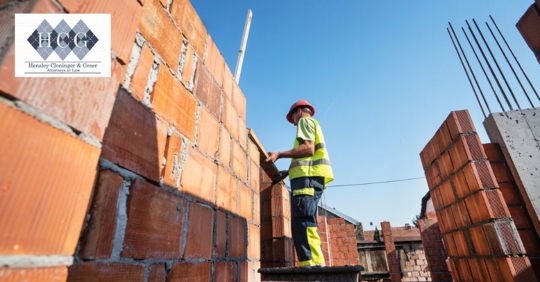
In North Carolina, summer isn't just a season—it’s a test of resilience. For those of us in construction, landscaping, and outdoor trades, the rising humidity and blistering sun are more than just uncomfortable; they are legitimate workplace hazards. Our state’s unique climate creates a specific set of risks that can turn a productive workday into a life-altering emergency in a matter of minutes.
Understanding these hazards is the first step toward staying safe, avoiding work accidents, and ensuring your crew makes it home at the end of every shift.
The Invisible Threat: Heat-Related Illness
North Carolina is famous for its "wet heat." When the humidity is high, your sweat doesn't evaporate as quickly, meaning your body can’t cool itself efficiently. This leads to a progression of heat-related illnesses that every outdoor worker must recognize:
- Heat Cramps: Often the first sign of trouble, manifesting as painful muscle spasms.
- Heat Exhaustion: Characterized by heavy sweating, dizziness, nausea, and a rapid pulse.
- Heat Stroke: A true medical emergency. If a coworker becomes confused, faints, or stops sweating while their skin feels hot, call 911 immediately.
To combat this, the "Water, Rest, Shade" rule is your best defense. Don't wait until you're thirsty to drink; aim for a cup of water every 15–20 minutes.
Sudden Summer Storms and Lightning
In the Piedmont and Coastal plains, afternoon thunderstorms can roll in with little warning. In North Carolina, lightning is a frequent and deadly hazard for those working on roofs, scaffolding, or open fields.
Remember the 30/30 Rule: If you see lightning and cannot count to 30 before hearing thunder, get to a sturdy building or a hard-topped vehicle immediately. Do not resume work until 30 minutes after the last clap of thunder. Avoid sheltering under trees or near metal equipment like cranes and fences, which can conduct electricity.
Dehydration and Physical Fatigue
The physical toll of laboring in 90-degree weather leads to faster exhaustion. Fatigue doesn't just make you tired; it makes you clumsy. A split-second lapse in concentration due to heat-induced brain fog can lead to falls from heights or accidents with heavy machinery—the leading causes of injury on North Carolina construction sites.
Protecting Your Rights and Your Health
You work hard to build our state, and you deserve a workplace that respects the dangers of the season. Employers have a legal obligation to provide a safe environment, which includes water, breaks, and training on heat hazards. If you or a loved one has suffered a heat-related injury or a workplace accident due to unsafe summer conditions, you don't have to navigate the aftermath alone.
At Hensley Cloninger & Greer, P.C., we understand the grit it takes to work the North Carolina summer, and we are here to support you when things go wrong.
If you’ve been injured on the job, contact us at (828) 383-8414 to discuss your case with a team that values your hard work and your rights.