
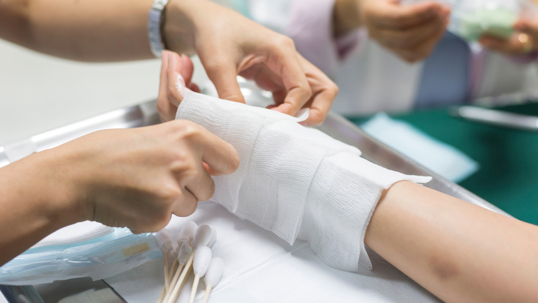
A home burn injury can happen in seconds from a grease flare up, a tipped space heater, or a sudden blast of hot tap water. In Asheville, older housing, mountain winters, and aging utilities can increase burn risk, especially for children and older adults. This guide covers the most common causes of home burn injuries, practical prevention steps, and what to do if you are hurt.
If your burn involved a rental property hazard or a defective product, an Asheville burn injury lawyer can help determine whether a landlord, property owner, or manufacturer may share responsibility in a personal injury claim.
Why Home Burn Injuries Are So Common In Asheville
Asheville has many older single-family homes, mountain rentals, and apartments with aging infrastructure. Electrical systems may not be designed for modern power demands, water heaters may be set too high, and heating sources such as fireplaces and wood stoves are used heavily during cold months.
Winter conditions also lead families to rely on portable space heaters, which can ignite nearby bedding, curtains, or furniture. In older bathrooms, plumbing may cause sudden temperature swings that increase the risk of serious scald injuries. These local factors make burn prevention in Asheville especially important.
Kitchen Fires and Scalds
Most home burn injuries begin in the kitchen because cooking combines high heat, open flames, hot surfaces, and boiling liquids.
Common kitchen burn causes
- Grease fires when oil overheats and ignites
- Contact burns from hot pans, oven racks, and stove surfaces
- Scalds from spilled coffee, soup, and boiling water
- Microwave scalds from superheated liquids that erupt when moved
Prevention tips for kitchen burns
- Use back burners when possible and turn pot handles inward
- Keep towels, paper products, and packaging away from the stove
- Create a child-free zone around the cooking area
- Keep a metal lid nearby to smother a grease fire
- Do not throw water on a grease fire because it can spread burning oil
Kitchen burn cases can involve more than distraction or mistakes. Unsafe appliances, unstable ranges, faulty knobs, or missing smoke detectors can increase risk, particularly in rentals, and a severe burn injury may require long term care. claim.
Space Heaters, Fireplaces, and Wood Stoves
Heating sources are a major cause of burn injuries during Asheville winters. Space heaters, fireplaces, and wood stoves can cause contact burns and start fires when used too close to combustible materials or when maintenance is neglected.
Common heating related burn causes
- Space heaters placed near bedding, curtains, or furniture
- Heaters without tip over shutoff or overheat protection
- Contact burns from hot glass and metal surfaces
- Sparks or embers escaping onto rugs or flooring
- Chimney or flue buildup that increases fire risk
Prevention tips for heating safety
- Place space heaters on a flat surface with clear space around them
- Choose models with tip over shutoff and overheat protection
- Keep heaters away from sleeping areas and soft furniture
- Use a fireplace screen or sealed wood stove door
- Schedule chimney and flue inspections and cleanings
If a landlord provided unsafe heating equipment or ignored maintenance issues, liability may extend beyond the occupant, especially when the incident results in a catastrophic injury.
Hot Tap Water and Bathroom Scalds
Tap water scald injuries often happen when water heaters are set too high or plumbing causes unpredictable temperature spikes. Children and older adults are at higher risk because burns can develop quickly and cover larger areas of the body.
Common bathroom scald scenarios
- A child turns the hot faucet fully at a sink or tub
- A caregiver steps away briefly during bath time
- A shower temperature spikes when someone uses water elsewhere
Prevention tips for scald prevention
- Test hot tap water temperature and adjust the water heater if needed
- Install anti-scald devices or mixing valves on faucets and showers
- Supervise children closely during baths and sink use
In rental properties, tenants often cannot control water heater settings. If unsafe temperatures were known and not corrected, a property owner may be responsible, similar to how liability is evaluated after construction accidents involving unsafe site conditions.
Electrical Burns & Appliance Fires In Older Asheville Homes
Electrical burns and home fires are a serious risk in older Asheville properties where wiring and outlets may be outdated. Overloads and heat buildup can ignite surrounding materials quickly.
Common electrical burn hazards
- Overloaded outlets powering multiple high watt devices
- Power strips plugged into other power strips
- Extension cords run under rugs or through doorways
- Warm, buzzing, or sparking outlets
- Chargers and electronics overheating on beds or couches
Prevention tips for electrical safety
- Replace frayed cords and stop using damaged outlets
- Plug high watt devices directly into wall outlets
- Avoid stacking power strips or overloading circuits
- Have a licensed electrician inspect frequent breaker trips or burning smells
- Do not charge devices on soft surfaces that trap heat
When an electrical incident happens, documentation matters whether it occurred at home or after a work accident, because early records help show what caused the burn and how serious it became.
Chemical Burns From Household Cleaners & Products
Chemical burns can happen when strong cleaners touch skin or eyes, or when fumes irritate airways. Injuries can worsen over time if chemicals are not removed quickly and thoroughly.
Common causes of chemical burns at home
- Drain cleaners or oven sprays splashing during use
- Children accessing products stored under sinks
- Using chemicals in small, poorly ventilated rooms
- Mixing products that should not be combined
Prevention tips for chemical safety
- Store products in original containers and out of reach of children
- Use gloves and eye protection when directed
- Improve ventilation with windows or exhaust fans
- Never mix cleaning products unless labels clearly allow it
If packaging, labeling, or design makes a product unreasonably dangerous, a defective product claim may apply, and the investigation can overlap with the same medical documentation used in workers compensation cases.
What To Do After A Home Burn Injury In Asheville
Medical care comes first. Burns can worsen after the initial injury, and early treatment can reduce infection risk and improve healing.
Steps to protect health and document the injury
- Get prompt medical evaluation for burns, blistering, or pain
- Photograph the injury over time as it heals
- Photograph the scene and the product or appliance involved
- Save medical records, prescriptions, and receipts
- Keep the item involved in the burn in the same condition if possible
If the burn happened in a rental
- Report the hazard to the landlord or property manager in writing
- Keep copies of messages, maintenance requests, and replies
- Avoid repairs or disposal of key evidence until you get legal guidance
How An Asheville Burn Injury Lawyer Evaluates These Cases
Burn injury cases often involve an unsafe property condition, a defective product, or another preventable hazard. An Asheville burn injury lawyer evaluates what caused the burn, who controlled the risk, and what evidence proves liability.
Key evidence includes medical records and treatment notes, fire department or incident reports, photos of the injuries and scene, maintenance logs and prior tenant complaints, lease agreements and inspection history, and product manuals, warnings, and recall information. The review also measures long-term harm such as scarring, reduced mobility, nerve damage, and future care costs, especially if the injury limits a return to work after a work accident.
FAQ: Home Burn Injuries in Asheville
What is the most common cause of home burn injuries?
Kitchen scalds and cooking related burns are among the most common, including grease fires and hot liquid spills.
How can I prevent grease fires in the kitchen?
Use back burners, keep combustibles away from heat, and smother flames with a metal lid instead of using water.
Are space heaters a common cause of burn injuries?
Yes. Space heaters can cause burns and fires if placed near bedding, furniture, or curtains or if they lack safety shutoff features.
Can hot tap water cause serious burns?
Yes. Hot water can cause severe scalds quickly, especially for children and older adults, if the water heater is set too high.
What temperature should hot water be set to for safety?
Many safety authorities recommend a lower setting to reduce burn risk. A plumber or qualified technician can help confirm safe settings for your home.
What should I do if an outlet is warm or sparking?
Stop using it immediately and have a licensed electrician inspect it because it may indicate overheating or unsafe wiring.
Are chemical burns from cleaners considered serious?
Yes. Strong cleaners can cause deep tissue damage and eye injuries and may worsen over time without proper treatment.
Who may be responsible for a burn in a rental property?
A landlord or property manager may be responsible if they failed to repair unsafe wiring, heaters, smoke detectors, or hot water settings.
Can a defective appliance lead to a burn injury claim?
Yes. Defects in design, manufacturing, or warnings can cause burns even when the product is used normally.
When should I talk to an Asheville burn injury lawyer?
Consider legal guidance if the burn required significant treatment, caused scarring, involved a child or older adult, or involved a rental hazard or defective product.
Talk With an Asheville Burn Injury Lawyer About Your Options
Home burn injuries often trace back to preventable hazards such as unsafe heating equipment, excessive hot water temperatures, poor electrical maintenance, or dangerous products. If your injury involved unsafe property conditions or a defective product, you may have options beyond paying medical bills on your own.
At Hensley Cloninger & Greer, P.C., we review burn injury cases to determine whether a landlord, property owner, or manufacturer may be responsible. We also help people hurt on the job, including claims that may involve workers compensation benefits when burns happen at work. To discuss what happened and learn your options, call (828) 383-8414 or contact us online to request a consultation.